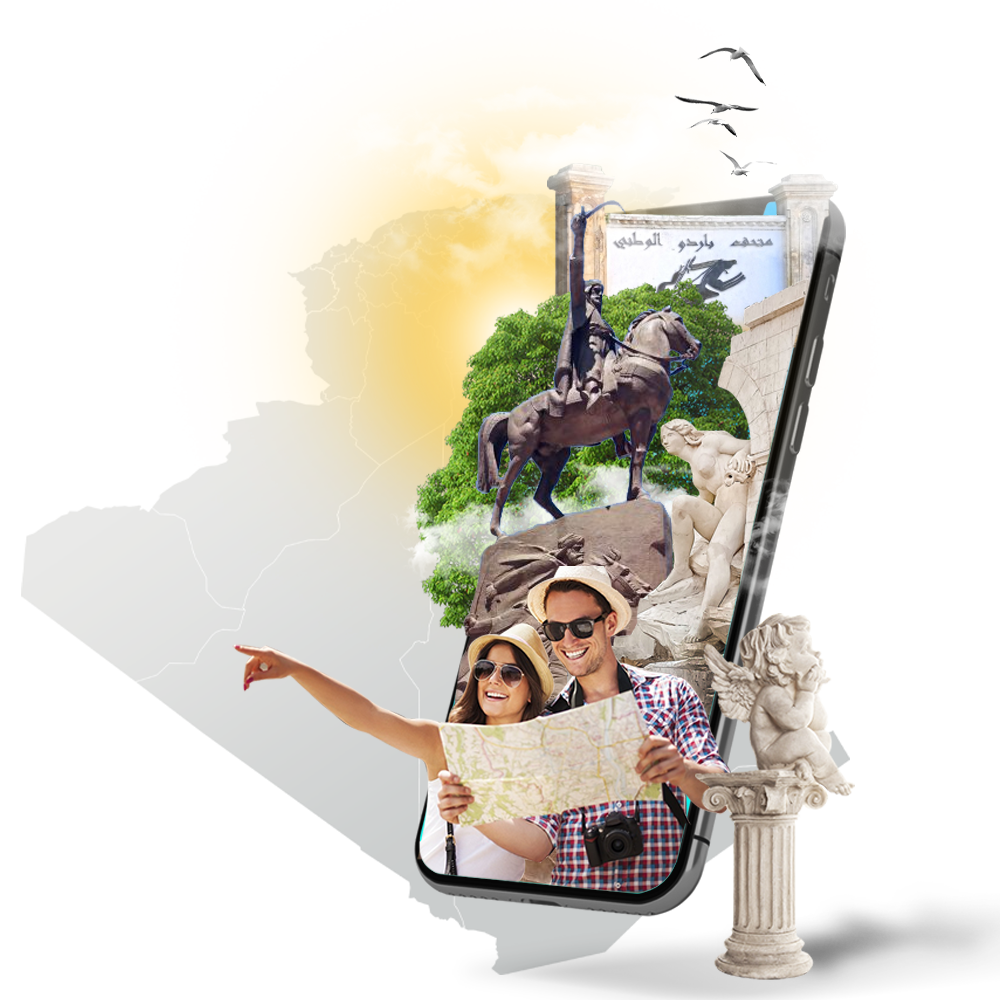
The Regional Museum of Djelfa
The Regional Museum of Djelfa: A Fascinating Journey from Prehistoric Origins to Ouled Naïl HeritageTourism in Algeria continuously rewards those who choose to venture beyond standard coastal routes to explore the deep heart of the nation. While the majestic Imam Shafi’i Mosque reflects modern architectural spirituality and Khaimat Moustapha celebrates the raw culinary generosity of the region, there is a distinct cultural sanctuary in Djelfa where time pauses to tell a completely different story: the epic of millennia. The Regional Museum of Djelfa (frequently designated as the site or heritage museum) stands as the dedicated guardian of priceless archaeological and ethnographic treasures. For domestic travelers, international tourists, and heritage enthusiasts alike, visiting this museum is an essential step. It provides the crucial context, visual references, and historical depth needed to truly comprehend the sprawling steppe culture. Stepping through the doors of this institution is nothing short of a time-traveling odyssey, stretching from the earliest dawns of human tool-making to the intricate material artistry of the Naïli people.1. Destination Overview: Preserving the Historical Memory of the High PlainsModern Infrastructure Dedicated to Heritage ScienceConveniently located within the urban center of Djelfa city, the Regional Museum features a sleek, contemporary architectural layout specifically engineered for premium artifact conservation and modern educational display. Moving away from dark, dusty classical galleries, the museum offers spacious exhibition halls, carefully calibrated lighting, and a fluid, intuitive pedagogical path. The permanent collections are organized chronologically and thematic-wise, allowing visitors to seamlessly absorb the geological, human, and cultural transformations of this strategic province—a natural transition zone connecting the fertile northern Tell Atlas to the vast Saharan expanses.A Premier Research and Conservation RepositoryThe museum serves as the centralized repository for an impressive volume of authentic artifacts uncovered during institutional archaeological excavations conducted throughout the Djelfa province. Because this region is scientifically recognized as an essential cradle of prehistory in North Africa, the museum shelters significant collections of ancient fossils, lithic tools, and high-fidelity reproductions that document continuous human activity spanning hundreds of thousands of years, making it a pivotal center for cultural preservation in Algeria.2. Cultural and Tourist Value: A Double Treasure of Archaeology and EthnographyPrehistoric Treasures: Rock Art Evolution and Lithic IndustriesThe Djelfa province is globally renowned among prehistorians for its dozens of open-air rock engraving stations (such as Ain Naga, Zaccar, and Demmed). The Regional Museum serves as the perfect introductory preamble or final analytical conclusion to exploring these outdoor archaeological sites.The Stone Toolkit: The galleries proudly display hand-axes, scrapers, and delicate arrowheads dating from the Paleolithic and Neolithic eras, carefully knapped out of local flint and hard stones.The Lost Fauna of the Steppe: Detailed fossil remains and illustrated overviews remind visitors that millennia ago, the arid Algerian steppe was a lush, green savanna hosting wild elephants, rhinoceroses, extinct giant buffaloes (Pelorovis antiquus), and lions.The Ethnographic Pavilion: Capturing the Soul of the Ouled NaïlBeyond ancient stones, the museum dedicates a deeply vibrant section to the more recent material and intangible heritage of the region: the unique identity of the Ouled Naïl tribes. Here, visitors can admire:Heavy Silver Fine Jewelry: Massive, intricate silver pieces crafted with sharp geometric precision, which historically adorned the festive bridal attire of Naïli women.Traditional Formal Garments: Pristine white and brightly colored hand-woven draped fabrics, reflecting deep elegance, modesty, and social standing within the historic pastoral society.The Geometric Art of Wool Weaving: Traditional carpets featuring coded ancestral symbols that narrate tribal lineage and their deep relationship with the steppe ecosystem.3. Top Activities and Experiences to Enjoy as a VisitorEngaging in an Informative Guided TourTo fully grasp the historical weight and scientific value of the exhibited pieces, it is highly recommended to request an on-site guided tour. The museum's passionate curation staff do not merely list historical dates; they share exciting excavation backstories, decode the hidden iconography of rock carvings, and vividly reconstruct the daily survival strategies of ancient nomadic societies, making the artifacts come alive.Studying the Intricate Geometries of Naïli CraftsmanshipDedicate ample time to studying the close details of the exhibits within the ethnographic hall. The engraved traditional daggers, massive silver fibulas (Bzeïma), and carved wooden bridal chests show a highly sophisticated aesthetic sensibility native to the region. For international travelers, this offers an unmatched opportunity to spot the artistic origins of the patterns still observed today across regional carpets and urban architecture.Joining Special Heritage Workshops and LecturesThe Regional Museum of Djelfa functions as an active civic space. Aligned with the official Algerian cultural calendar (such as the national Heritage Month or specialized archaeological study days), the institution frequently hosts guest lectures, temporary thematic exhibitions, and interactive educational workshops for youth. If your travel dates coincide with these events, participating provides a rare window into contemporary heritage transmission.4. Practical Travel Guide for VisitorsWhen is the Optimal Season to Plan Your Visit?Because the museum is a fully enclosed, modern facility equipped with climate control, it can be visited in complete comfort throughout the year. It serves as an ideal air-conditioned refuge during hot summer afternoons when the steppe sun is intense, or as a warm cultural haven on crisp winter days. To smoothly combine this museum visit with an outdoor tour of Djelfa (including open-air rock art sites and the Senalba pine forest), plan your trip during spring and autumn.Practical Information and Visitor GuidelinesOperating Hours: The museum generally welcomes visitors from Sunday to Thursday, between 9:00 AM and 4:30 PM. Hours are subject to modification during the holy month of Ramadan or national public holidays; checking ahead with your local tour operator or hotel desk is advised.Photography Policy: Non-flash photography is widely permitted in most public galleries for personal travel logs, but capturing highly sensitive or rare centerpiece exhibits may require explicit permission from the front desk.Location and Accessibility: Conveniently situated in the urban core of Djelfa city, the museum is easily accessible via short taxi rides or walking distances from primary local hotels. Entrance fees are priced at a very nominal, symbolic rate, making it accessible to all travel budgets.Traveler Note | Always schedule this museum visit at the absolute beginning of your Djelfa tour. It provides you with the historical foundation needed to truly appreciate the open-air rock carvings out in the field.5. Why Choose Algeria and Explore its Rich Museum Network?Algeria stands proudly on the global travel stage as an open-air historical museum—a vast land of geographical and historical layers where every successive epoch has left an indelible mark. From the grand Roman cities of the Mediterranean coast to the deep prehistoric sanctuaries of the interior, the nation's museum network operates diligently to protect a heritage that belongs to all of humanity. Visiting the Regional Museum of Djelfa reveals that Algeria is shaped not just by spectacular, wild landscapes, but by a profound, resilient, and highly sophisticated human culture. It is this unique combination of human depth and endless history that transforms a standard vacation into a transformative journey of a lifetime.Ready to Unlock the Ancient History of Djelfa?Be sure to include this outstanding cultural and historical jewel in your next itinerary across the Algerian High Plains. Visit the Regional Museum of Djelfa today to expand your historical horizons and gain a fresh appreciation for the steppe. Make this landmark a priority in your travel log and let the millennial saga of Algeria capture your imagination!