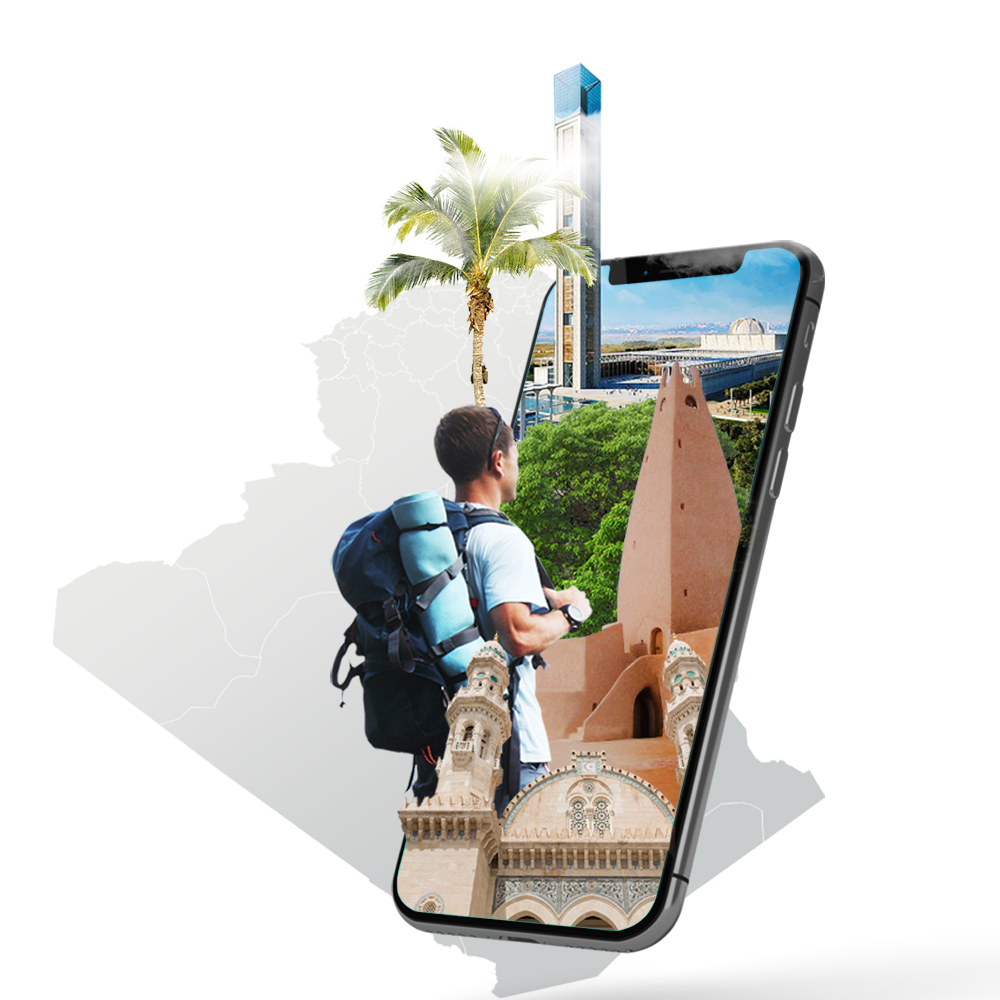
Imam Shafi’i Mosque
Imam Shafi’i Mosque in Djelfa: Architectural Splendor and Serene Haven in the Algerian SteppeTourism in Algeria is a quest for authentic wonders, where the raw grandeur of nature sometimes gives way to the breathtaking beauty of monuments built by human hands. While the Djelfa province is globally celebrated for its green Aleppo pine forests, striking natural salt rocks, and ancient prehistoric rock art stations, it also shelters exceptional hidden gems of contemporary Islamic art and spirituality. Among these, the Imam Shafi’i Mosque stands out as an essential architectural monument for cultural travelers and heritage enthusiasts alike. A true spiritual beacon in the heart of the High Plains, this mosque is far more than a simple house of prayer; it is a proud showcase of modern Algerian craftsmanship and structural elegance. For domestic and international travelers seeking a profound sense of peace, pausing at this landmark offers a memorable immersion into the serene soul of the steppe.1. Destination Overview: A Modern Architectural Landmark in Djelfa CityHarmonizing Deep Traditions with Structural ModernityStrategically located within an accessible and vibrant neighborhood of Djelfa city, the Imam Shafi’i Mosque immediately captures the eye with its bold geometric lines and pristine structural finish. The building meticulously respects the core rules of Maghrebi Islamic architecture while effortlessly integrating modern engineering and construction techniques. Its clean, elegant outer facades, built with premium materials, interact beautifully with the brilliant golden sunlight characteristic of the steppe region, delivering a striking visual display from the early hours of dawn.The Minaret and the Dome: Iconic Beacons in the Urban SkylineThe mosque's slender, majestic minaret rises into the clear Djelfa sky as a powerful symbol of rectitude and a universal call to peace. Its intricate decorative carvings, inspired by both Berber geometric layouts and Arab-Andalusian art, reflect a profound appreciation for regional history. Meanwhile, the central dome impresses onlookers with its perfect proportions, crowning the expansive main prayer hall with a sense of celestial harmony and spatial balance.2. Cultural and Tourist Value: A Living Masterclass in Islamic ArtHonoring the Precision of Algerian Master CraftsmenStepping through the grand doors of the Imam Shafi’i Mosque feels like entering an open-air museum dedicated to the living arts of Algerian craftsmanship. The interior of the prayer hall is a breathtaking display of meticulous detail:Hand-Carved Stucco (Stuc): Beautiful, intricate gypsum plaster murals wrap around the inner arches and beneath the dome, tracing highly complex arabesques and floral geometries.Masterful Arabic Calligraphy: Hand-rendered Quranic verses adorn the smooth walls, serving as a reminder of the artistic depth and spiritual beauty of the Arabic script.Fine Woodworking Arts: The Minbar (the traditional pulpit from which the Friday sermon is delivered) and the heavy entrance doors are carved out of noble premium woods, displaying exceptional technical and artistic mastery.A Modern Center for Intellectual HeritageNamed in honor of Imam Shafi’i—one of the most influential scholars in Islamic history and the founder of one of the major schools of jurisprudence—the mosque doubles as an intellectual center. It features auxiliary facilities dedicated to education, classical text memorization, and scholarly lectures. It serves as a living space for cultural and intellectual exchange, proudly continuing the learned traditions of the Algerian High Plains—a region historically famous for its pastoral lifestyle but equally dedicated to preserving literacy and classical knowledge.3. Best Activities and Experiences to Enjoy as a VisitorContemplating the Play of Light Inside the Prayer HallOne of the most moving experiences at the Imam Shafi’i Mosque is observing the shifting play of natural light. Through strategically placed stained-glass windows and geometric skylights, the daily sun rays filter into the prayer hall, casting vibrant, colorful reflections onto the soft carpets and carved plaster walls. It offers a moment of absolute, undisturbed quietude, perfect for centering oneself away from the noise of the outside world.Connecting with Locals and Experiencing Naïli HospitalityThe mosque is the true beating heart of the local neighborhood. Visiting the site, especially during the quiet intervals between prayer times, allows travelers to cross paths with the residents of Djelfa. The local population is celebrated nationwide for their legendary generosity and warm hosting traditions (the historic hospitality of the Ouled Naïl tribes). A simple polite greeting often opens the door to fascinating conversations regarding the city's history, local folklore, and regional secrets.Photographing Architectural Intricacies Under the Steppe SkyFor passionate travel photographers, this monument presents an extraordinary visual playground. The crisp contrast between the deep cerulean blue of the Djelfa sky, the clean white or warm ochre stones of the structure, and the sharp geometric shadows cast by the tall minaret allows for the creation of unique, high-quality photographs—ideal for capturing your journey through Algeria.4. Practical Travel Guide for VisitorsWhen is the Ideal Time to Plan Your Visit?The Imam Shafi’i Mosque can be visited enthusiastically all year round. However, to pair your visit with optimal regional weather, plan your journey during the transitional seasons of spring (April to June) and autumn (September to November). Temperatures are comfortably mild during these months, making urban walking and outdoor exploration very pleasant. In the winter time, the crisp, cool air of the High Plains adds an extra layer of cozy comfort to the quiet interior of the sanctuary.Practical Guidelines and EtiquetteTo ensure your visit is smooth, comfortable, and deeply respectful of the local community, please follow these basic rules of conduct:Dress Code: Modest, loose-fitting clothing that fully covers the shoulders and knees is strictly required for both male and female visitors. Female travelers are kindly requested to cover their hair with a scarf before entering the inner prayer enclosure.Footwear: In keeping with universal Islamic practices, shoes must be removed before stepping onto the prayer hall rugs (convenient open lockers are available near the entrance).Quiet Demeanor: Please maintain a soft, quiet presence, particularly if there are worshippers engaged in private prayer or scripture reading. Photography is generally welcome outside of congregational prayer hours, but it is always polite to ask for permission first.Traveler Tip | For a truly magical visual experience, schedule your visit just before sunset. The evening illumination of the mosque against the twilight sky is spectacular.5. Why Choose Algeria and Explore the Djelfa Region?Algeria is firmly positioning itself as one of the most compelling, authentic ecotourism and cultural frontiers in the Mediterranean basin. Its profound strength lies in its raw, unspoiled heritage and monumental geographic diversity. Traveling across Algeria allows you to transition in a matter of hours from coastal UNESCO-listed Roman cities to the rolling sand dunes of the deep Sahara, passing through the endless horizons of the high steppes. The Djelfa province beautifully encapsulates this contrast. By introducing modern spiritual and architectural landmarks like the Imam Shafi’i Mosque into your travel itinerary, you will unlock a nation that is deeply proud of its ancient roots, enthusiastically welcoming, and looking forward to a bright future.Ready to Experience the Heritage of Djelfa?Be sure to include this stunning jewel of stone and faith in your next itinerary down the historic South Algerian highway. Visit the Imam Shafi’i Mosque today to enrich your travel perspective and visual horizons. Make this inspiring destination a highlight of your travel log and let the peaceful beauty of Algerian heritage capture your heart!