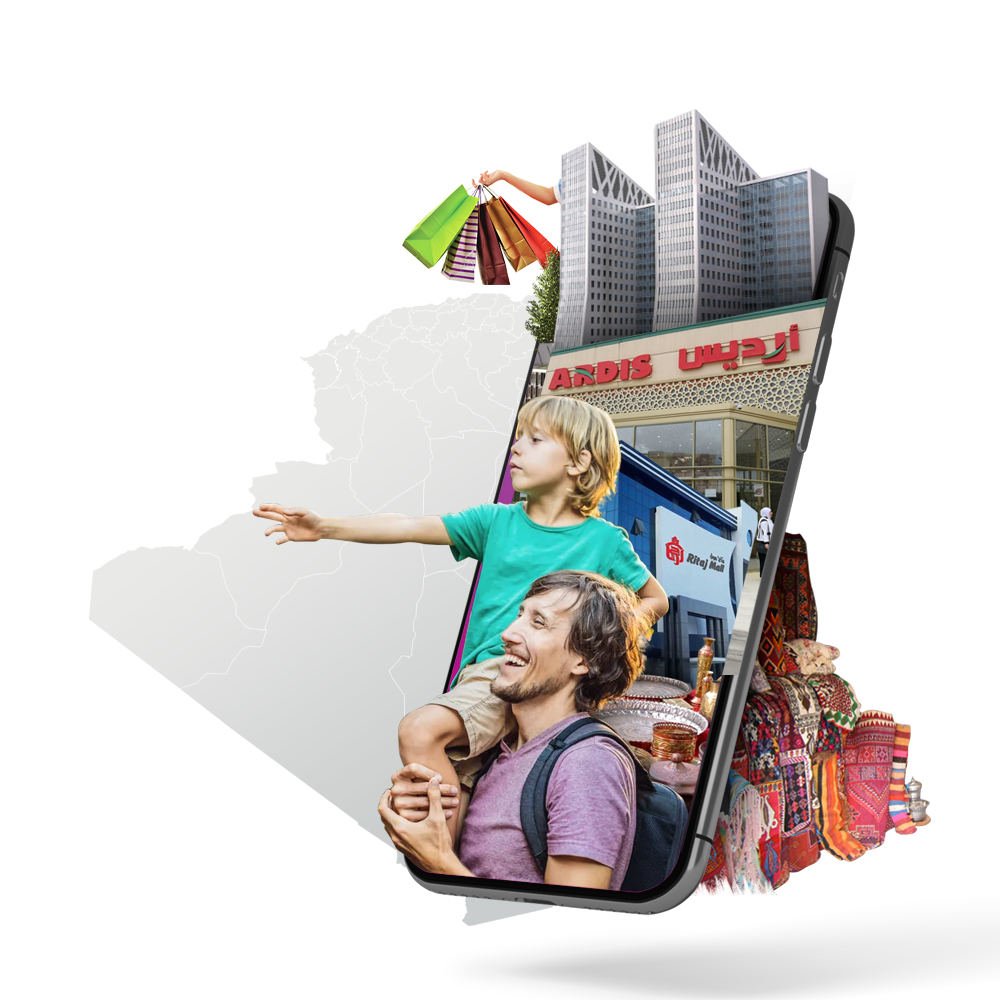
The Grand Maghreb Bazaar of Djelfa
The Grand Maghreb Bazaar of Djelfa: The Economic and Cultural Heart of the Algerian HighlandsTourism in Algeria continuously rewards those who look beyond the standard coastal resorts or popular Saharan dunes to explore the sweeping, golden landscapes of the semi-arid Highlands. This unique region of vast steppes and ancient pastoral ways is where the authentic, beating heart of Algerian domestic commerce truly resides. Strategically positioned at the crossroads of these historical trade routes lies the province of Djelfa—a land renowned for its profound sense of human connection, cultural synthesis, and legendary hospitality. For travelers searching for deep cultural immersion, vibrant street scenes, and genuine artisanal discoveries, the Grand Maghreb Bazaar of Djelfa stands out as an essential destination. Operating as the premier commercial lung and regional trade hub of the steppes, this iconic marketplace offers an unforgettable sensory experience. Exploring this sprawling bazaar is far more than a casual shopping trip; it is a genuine plunge into the soulful identity of the Algerian steppe, where welcoming merchants express their heritage through the art of bargaining, rich aromatic spices, and historic hand-woven textiles.1. Destination Overview: The Gateway to the Algerian Deep SouthWhere is the Grand Maghreb Bazaar Located?The Grand Maghreb Bazaar is centrally situated within the city of Djelfa, the bustling capital of the province. Located approximately 300 kilometers south of Algiers, Djelfa occupies a pivotal geographic position serving as a natural transition zone between the northern Tell Atlas mountain ranges and the vast sands of the Algerian Sahara. This central positioning has made the city a natural gathering point for centuries, drawing nomadic pastoralists, camel caravans, and regional traders from across North Africa.The Energetic Atmosphere of a Steppe MegamarketStepping inside the Grand Maghreb Bazaar of Djelfa means embracing a captivating world of sights, sounds, and constant motion. The market is organized across a dense, sprawling grid of shaded alleyways and open plazas lined with hundreds of colorfully arranged stalls. The architecture of the bazaar beautifully blends modern commercial pavilions with traditional open-air market layouts designed to accommodate massive daily crowds. It is a unique communal space where fast-paced urban trade meets centuries-old rural traditions, establishing a dynamic energy that fascinates visitors from their very first steps.2. Cultural and Tourist Value: Celebrating the Craftsmanship of the Ouled NaïlA Showcase of Historic Weaving and Naïli AttireThe Djelfa province is the ancestral cradle of the celebrated Ouled Naïl tribal confederation, whose unique cultural identity, music, traditional dances, and fine crafts are celebrated throughout Algeria. The Grand Maghreb Bazaar serves as the ultimate living showroom to admire and acquire these fine pastoral crafts. Notable highlights include:The Kachabia of Djelfa: This iconic traditional winter coat, expertly crafted from pure camel hair or fine sheep's wool, is nationally renowned for its superior quality and insulating properties against the harsh winters of the high plains. It represents a premium symbol of Algerian heritage.Hand-Woven Steppe Carpets: Masterfully woven by local women, these carpets feature vibrant geometric Berber motifs and warm, earthy color palettes that vividly document the stories and migrations of nomadic life.A Sanctuary for Pure Human ConnectionBeyond the rows of exotic goods and textiles, the deepest value of the Djelfa Bazaar lies in its rich human sociology. This is the prime venue to observe the authentic daily life of the High Plains populations. Here, nomadic livestock herders from the surrounding steppes regularly interact with city dwellers and northern wholesale distributors. The spirit of hospitality is incredibly tangible; it is common practice for a merchant to offer international travelers a hot glass of fresh mint tea while sharing stories about the origins of their crafts or the history of the town.3. Best Activities and Experiences to Enjoy as a VisitorA Vibrant Sensory and Culinary ExplorationA stroll through the bazaar stimulates all your senses simultaneously. Follow the rich aromas of freshly ground spices—ranging from pure cumin to local ras-el-hanout blends—which serve as the cornerstone of authentic Algerian cuisine. The market area is also the ultimate spot to indulge in the culinary delicacies of Djelfa, a region celebrated nationwide for the unparalleled quality of its pasture-raised mutton. Be sure to sample traditional flame-roasted Méchoui or savory Melfouf (grilled liver skewers wrapped in caul fat) at the popular open-air eateries surrounding the market gates.Treasure Hunting and the Art of Cordial BargainingFor collectors of authentic ethnic items, the bazaar offers an exceptional creative playground. From traditional tribal silver jewelry and intricately embroidered dresses to hand-tooled leather goods, every winding alley conceals unique treasures. Engaging in the art of friendly price negotiation is a respected local custom. It serves as a fantastic bridge to connect directly with the local artisans, ensuring you return home with a meaningful souvenir packed with personal history.Capturing the Essence of Daily Life Through PhotographyFor travel photographers and documentarians, the Grand Maghreb Bazaar of Djelfa serves as an unparalleled canvas of raw, unfiltered life. The dramatic interplay of natural light filtering through covered passageways, the expressive faces of people shaped by the high-altitude climate, and the vivid displays of fresh produce and dyed textiles provide exceptional raw material for striking portraits and travel photography portfolios.4. Practical Travel Guide for Explorers and TouristsWhen is the Ideal Season to Plan Your Visit?Djelfa features a distinct semi-arid continental climate characterized by hot, dry summers and noticeably cold, crisp winter seasons. To fully optimize your exploration of the bazaar and the surrounding natural landmarks, the shoulder seasons of spring (April to June) and autumn (September to November) are highly recommended. These months deliver mild, pleasant outdoor temperatures that are absolutely ideal for walking and exploring the market corridors comfortably.Essential Travel Guidelines for a Smooth VisitOptimal Timing: To experience the bazaar at its absolute peak energy, plan your visit for the morning hours. This is when the stalls are fresh, fully stocked, and the trade interactions are most vibrant.Currency and Payment: Transactions are conducted almost exclusively in cash using the Algerian Dinar (DZD). Ensure you carry sufficient physical paper currency, as small independent artisans and market merchants do not accept credit or debit cards.Cultural Respect: Djelfa is a traditional and culturally proud region. Travelers are advised to wear modest, respectful clothing that aligns with local customs when exploring public markets and community spaces. Traveler Note | After the hustle and bustle of the market, enjoy a nature break at the Senalba Chergui Forest, located just 6 km from the city center. A true haven of peace!5. Why Discover Algeria and Explore its Vibrant Traditional Markets?Algeria is rapidly taking center stage as a premium eco-cultural travel destination in the Mediterranean basin—offering a refreshing alternative entirely free from commercial mass crowds, where travel still signifies authentic discovery. Exploring markets like the Grand Maghreb Bazaar of Djelfa allows travelers to connect with a deeply authentic facet of the country far removed from typical beach resorts. It provides a direct path to support traditional family craftsmanship and interact with a population whose profound warmth remains permanently etched in the hearts of global travelers.Ready to Unlock the Authentic Charm of Djelfa?Do not miss out on adding this dynamic economic and cultural landmark to your travel itinerary during your upcoming exploration of the Algerian Highlands. Discover the Grand Maghreb Bazaar today to live a truly unforgettable human adventure. Plan your trip, prepare your senses for an explosion of colors, and let the timeless magic of Djelfa captivate your soul!